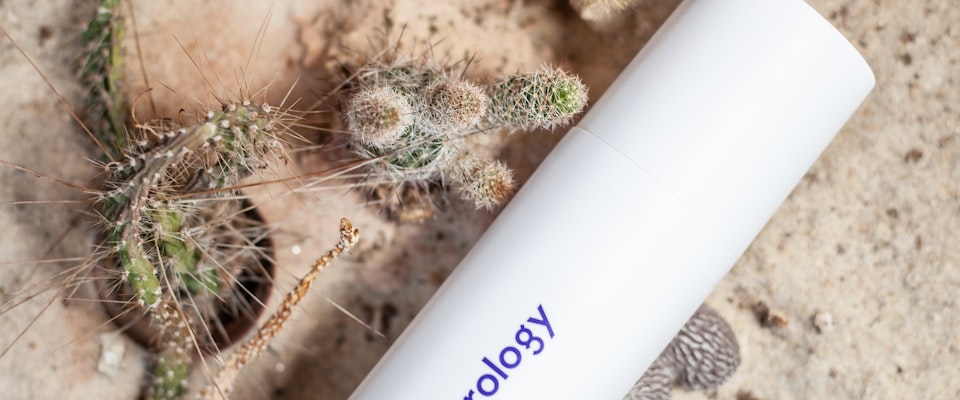
The best non-toxic cleaning sprays in 2026 include Branch Basics Concentrate (best overall, ~$49), Seventh Generation All-Purpose Cleaner (best budget, ~$5), ECOS All-Purpose Cleaner (best plant-based, ~$7), Aunt Fannie's Cleaning Vinegar (best vinegar-based, ~$8), Dr. Bronner's Sal Suds (best concentrated, ~$12), and Better Life All-Purpose Cleaner (best for families, ~$8). All six are free from VOCs, synthetic fragrances, and harsh chemical irritants — and all use plant-derived or mineral-based formulas that clean effectively without compromising indoor air quality.
Every time you spray a conventional cleaning product, you aerosolize its ingredients directly into the air column of your home. Those airborne droplets are inhaled deeply into lung tissue, absorbed through skin on contact, and settle on every surface in the room — including food prep areas, children's toys, and pet bedding. The chemicals in conventional sprays were designed to dissolve grease and kill bacteria, but the collateral damage to human health is significant and well-documented.
Below you will find a plain-language explanation of what is actually in conventional cleaning sprays, why it matters, detailed reviews of six non-toxic alternatives, a comparison table, and answers to the most common questions about making the switch.
Top 3 Picks at a Glance
What Is Actually in Conventional Cleaning Sprays
The average household uses cleaning sprays multiple times per week — on kitchen counters, bathroom surfaces, glass, and floors. Unlike products that rinse off skin, cleaning spray residues remain on surfaces and in the air indefinitely. The chemicals in that spray deserve serious scrutiny, because you are not just cleaning a countertop — you are altering the air quality inside your home.
Volatile organic compounds (VOCs) are the most immediate concern in cleaning sprays. These are chemicals that evaporate at room temperature and become airborne the instant you pull the trigger. Common cleaning-spray VOCs include formaldehyde, benzene, toluene, and ethylene glycol. The EPA has found that indoor VOC levels are consistently 2-5 times higher than outdoor levels, and cleaning products are a primary contributor. VOCs irritate the respiratory tract, trigger asthma attacks, and — in the case of formaldehyde and benzene — are classified as known human carcinogens by the International Agency for Research on Cancer (IARC).
Quaternary ammonium compounds ("quats") are antimicrobial agents found in many disinfectant sprays. They are respiratory sensitizers — meaning they can trigger the development of asthma in people who previously had none. A 2017 study published in the British Medical Journal found that nurses who used disinfectant sprays containing quats at least once per week had a 32% increased risk of developing chronic obstructive pulmonary disease (COPD). Quats also persist on surfaces and contribute to antimicrobial resistance.
Synthetic fragrances in cleaning products are a hidden chemical cocktail. The term "fragrance" on a label is a legal loophole — manufacturers can use dozens of undisclosed chemicals under this single word, including phthalates (endocrine disruptors), styrene (a possible carcinogen), and musk ketone (which accumulates in human fat tissue). A 2011 study in Environmental Impact Assessment Review found that a single fragranced cleaning product can emit over 100 volatile chemicals, nearly a quarter of which are classified as toxic or hazardous under federal law.
2-Butoxyethanol is a glycol ether solvent used in many glass and kitchen cleaners. It is readily absorbed through the skin and by inhalation. The EPA sets no requirement for 2-butoxyethanol to appear on cleaning product labels, so it can be present without your knowledge. At high concentrations it causes red blood cell damage; at the chronic, low-level exposure typical of regular household use, it contributes to cumulative liver and kidney stress.
The disclosure problem
Unlike food and personal care products, household cleaners in the US are not required by federal law to list all ingredients on the label. Manufacturers can hide harmful chemicals behind terms like "fragrance," "cleaning agents," or "surfactants" without specifying what those chemicals actually are. This is why third-party certifications like EPA Safer Choice and EWG Verified matter — they require full ingredient disclosure and safety verification that the law does not.
What to Look for in a Non-Toxic Cleaning Spray
Not all "green" or "natural" cleaners are genuinely non-toxic. These marketing terms have no regulatory definition. Here is what actually matters when choosing a safer cleaning spray:
- No VOCs. The product should not contain formaldehyde, benzene, toluene, xylene, ethylene glycol, or other volatile organic compounds. Look for "VOC-free" on the label or check the Safety Data Sheet.
- No synthetic fragrances. If the label says "fragrance" or "parfum" without disclosing every component, phthalates and other undisclosed chemicals may be present. Choose unscented products or those scented exclusively with named essential oils.
- No quats or chlorine bleach. Quaternary ammonium compounds and sodium hypochlorite are respiratory irritants. Plant-based alternatives like thymol, citric acid, and hydrogen peroxide provide effective antimicrobial action without the respiratory damage.
- Plant-derived surfactants. Effective cleaning requires surfactants to break the surface tension of grease and grime. Look for plant-derived options like coco-glucoside, decyl glucoside, or saponified coconut oil rather than petroleum-derived sulphates.
- Third-party certification. EPA Safer Choice, EWG Verified, or USDA BioPreferred certification means the product has been independently evaluated for ingredient safety. These certifications require full ingredient disclosure.
- Short, transparent ingredient list. The best non-toxic cleaners contain 5-10 ingredients you can identify: water, plant-based surfactants, essential oils, citric acid, and perhaps a mineral like sodium bicarbonate. If the list is 25+ chemical names, it is not what it claims.
If you cannot spray a cleaning product with the windows closed and feel comfortable breathing normally, that product does not belong in your home.
Full Product Reviews
Branch Basics Concentrate
Branch Basics is a single plant-based concentrate that replaces virtually every cleaning product in your home. Diluted at different ratios, it becomes an all-purpose spray, bathroom cleaner, streak-free glass cleaner, hand soap, laundry detergent, and foaming wash. The formula is built around plant-derived surfactants (coco-glucoside and decyl glucoside), with chamomile and aloe for skin gentleness — and nothing else problematic. It is fragrance-free, dye-free, preservative-free, and free from every chemical on our avoid list. The concentrate ships with reusable bottles and dilution guidelines, and one bottle makes approximately 3 months of household cleaners. The upfront cost of ~$49 for the starter kit is higher than a single spray bottle, but the per-use cost is competitive with conventional cleaners — and you eliminate a cabinet full of separate products.
Pros
- One concentrate replaces all cleaning sprays
- Fragrance-free, dye-free, preservative-free
- Plant-derived surfactants only
- Reusable bottles reduce plastic waste
- Excellent cleaning power — cuts grease effectively
- Safe around children, pets, and sensitive individuals
Cons
- Higher upfront cost (~$49 starter kit)
- Requires mixing/dilution — not grab-and-spray
- Not a disinfectant — does not kill pathogens
- Primarily available online, limited retail
Seventh Generation All-Purpose Cleaner
Seventh Generation is the most accessible non-toxic cleaner on this list — available at virtually every grocery store, Target, Walmart, and Amazon for under five dollars. The all-purpose formula is EPA Safer Choice certified, meaning every ingredient has been independently verified for safety by the US Environmental Protection Agency. The plant-based surfactants handle everyday kitchen and bathroom messes effectively, though heavy grease may require a second pass. Seventh Generation also offers a thymol-based disinfectant spray (separate product) that is EPA-registered to kill 99.99% of household bacteria using a plant-derived active ingredient. The brand is owned by Unilever, but the formulas have maintained their integrity. If you want a non-toxic cleaner you can buy today at the nearest store for the price of a conventional spray, this is the one.
Pros
- EPA Safer Choice certified
- Most affordable option on this list (~$5)
- Widely available — grocery stores, Target, Walmart
- Plant-based formula, no synthetic fragrances
- Separate thymol-based disinfectant available
- Recycled and recyclable packaging
Cons
- May need second application for heavy grease
- Owned by Unilever — not independent
- Some formulas contain botanical extracts that can irritate very sensitive skin
- Plastic spray bottle (though recyclable)
ECOS All-Purpose Cleaner
ECOS takes plant-based cleaning to its logical conclusion. The all-purpose cleaner uses plant-derived surfactants and essential oils — and nothing else of concern. The formula is hypoallergenic, making it a strong choice for households with allergies, eczema, or chemical sensitivities. What sets ECOS apart is the company's manufacturing commitment: their facility is carbon-neutral, water-neutral, and Zero Waste certified. They also use 100% renewable energy and have achieved EPA Safer Choice Partner of the Year recognition. The cleaning power is reliable for everyday kitchen and bathroom use, though — like most gentle plant-based cleaners — it may struggle with heavy baked-on grease without pre-soaking. ECOS also offers a full line of laundry, dish, and hand soap products with the same ingredient philosophy.
Pros
- Hypoallergenic — ideal for sensitive households
- Plant-derived ingredients with essential oils
- Made in carbon-neutral, water-neutral facility
- EPA Safer Choice Partner of the Year
- Full product line available (laundry, dish, hand soap)
- Affordable at ~$7 per bottle
Cons
- Struggles with heavy baked-on grease
- Essential oil scent may be too strong for some
- Less widely available than Seventh Generation in stores
- Plastic spray bottle
Aunt Fannie's Cleaning Vinegar
Aunt Fannie's takes the oldest cleaning agent in human history — vinegar — and optimizes it for modern household use. The cleaning vinegar is formulated at 6% acidity (standard table vinegar is 5%), which gives it noticeably stronger grease-cutting and antimicrobial power. Essential oils provide a pleasant scent that masks the vinegar smell as it dries. The ingredient list is refreshingly short: water, vinegar, and essential oils. That is it. No surfactants, no preservatives, no chemicals of any kind. Vinegar-based cleaners are effective on glass, ceramic tile, stainless steel, laminate countertops, and porcelain. They should not be used on natural stone (marble, granite, travertine), hardwood floors, or cast iron — the acidity can damage these surfaces. For everything else, this is the simplest, most transparent cleaning spray you can buy.
Pros
- Simplest possible ingredient list — vinegar + essential oils
- 6% acidity for stronger cleaning power
- Naturally antimicrobial
- Multiple essential oil scent options
- No synthetic chemicals of any kind
- Affordable at ~$8 per bottle
Cons
- Cannot use on natural stone, hardwood, or cast iron
- Vinegar smell persists briefly during use
- No surfactants — less effective on heavy grease
- Not a registered disinfectant
Dr. Bronner's Sal Suds
Dr. Bronner's Sal Suds is not technically a soap — it is a biodegradable, plant-based cleaner built around sodium lauryl sulfate (SLS) derived from coconut oil, combined with fir and spruce essential oils. Unlike their famous castile soaps, Sal Suds rinses completely clean without leaving any film, making it exceptional for hard surfaces, dishes, floors, and laundry. A single tablespoon diluted in a quart of water makes an all-purpose spray that rivals any conventional cleaner in grease-cutting power. The concentration is extreme — one 32 oz bottle typically lasts a household 3-6 months of daily use, making the per-use cost among the lowest on this list despite the $12 bottle price. Dr. Bronner's has a decades-long track record of ingredient transparency and ethical sourcing. The SLS in Sal Suds is plant-derived and biodegradable, not the petrochemical-derived version found in conventional products.
Pros
- Extremely concentrated — one bottle lasts 3-6 months
- Excellent grease-cutting power
- Biodegradable, plant-derived formula
- Rinses completely clean — no film or residue
- Versatile — floors, dishes, laundry, surfaces
- Decades of ingredient transparency from Dr. Bronner's
Cons
- Requires dilution — not ready to spray
- Contains SLS (plant-derived, but some people avoid it)
- Fir/spruce scent is the only option
- Can be too concentrated if over-measured
Better Life All-Purpose Cleaner
Better Life was co-founded by two fathers who wanted a cleaner safe enough to use around their children. The all-purpose spray is built on plant-derived surfactants (decyl glucoside and coco-glucoside) with no sulphates, no synthetic fragrances, no dyes, no parabens, and no petrochemicals. It earned a "Made Safe" certification, meaning every ingredient has been screened against known harmful substances by a nonprofit toxicology panel. The cleaning performance is genuinely impressive for a gentle formula — it handles kitchen grease, bathroom soap scum, and general surface grime without requiring heavy scrubbing. The sage and citrus scent comes from real essential oils, not synthetic fragrance. If you have small children crawling on floors, toddlers who put everything in their mouths, or pets who lick surfaces, Better Life provides peace of mind that few other cleaners can match. It is widely available online and in natural grocery stores.
Pros
- Made Safe certified — screened by independent toxicology panel
- No sulphates, no synthetic fragrances, no dyes
- Plant-derived surfactants — safe around kids and pets
- Handles grease and soap scum effectively
- Real essential oil scent (or unscented option)
- Full product line available for every room
Cons
- Not a disinfectant — will not kill pathogens
- Less available in conventional grocery stores
- Plastic spray bottle
- Slightly higher price than Seventh Generation
Head-to-Head Comparison
| Cleaner | Type | VOC-Free | Certified | Price |
|---|---|---|---|---|
| Branch Basics | Concentrate | Yes | Made Safe | ~$49 (kit) |
| Seventh Generation | Ready-to-spray | Yes | EPA Safer Choice | ~$5 |
| ECOS | Ready-to-spray | Yes | EPA Safer Choice | ~$7 |
| Aunt Fannie's | Vinegar spray | Yes | No formal cert | ~$8 |
| Dr. Bronner's Sal Suds | Concentrate | Yes | USDA BioPreferred | ~$12 |
| Better Life | Ready-to-spray | Yes | Made Safe | ~$8 |
| Conventional spray | Ready-to-spray | No | No | ~$3-5 |
Switching your cleaning spray is one step in a broader shift toward a less toxic home. For a full kitchen overhaul, see our kitchen plastic detox guide. To understand the broader science of microplastics in household products, read our deep dive on microplastics in food packaging. And for the laundry room, check our guide to non-toxic laundry detergent and non-toxic dish soap.
Frequently Asked Questions
Many are, but the term "green" has no legal or regulatory definition in the US cleaning industry. The key is to look past the label and examine the ingredient list. Genuinely safer cleaning sprays avoid VOCs, synthetic fragrances, chlorine bleach, quaternary ammonium compounds, and phthalates. Third-party certifications like EPA Safer Choice, EWG Verified, and USDA BioPreferred provide meaningful verification. A 2018 study in the American Journal of Respiratory and Critical Care Medicine found that regular use of conventional cleaning sprays was associated with accelerated lung function decline comparable to smoking 20 cigarettes a day — while plant-based alternatives showed no such association.
Avoid volatile organic compounds (VOCs) like formaldehyde and benzene, quaternary ammonium compounds ("quats"), chlorine bleach, synthetic fragrances listed as "fragrance" or "parfum," 2-butoxyethanol, triclosan, ammonia, and sodium lauryl sulfate derived from petroleum. Many of these are respiratory irritants, endocrine disruptors, or both. The term "fragrance" on a label is a particular red flag — manufacturers are not required to disclose individual fragrance ingredients, so phthalates and other harmful chemicals can hide behind this single word.
Yes, though the mechanism differs from conventional disinfectants. Plant-based ingredients like thymol (derived from thyme oil), citric acid, and hydrogen peroxide are effective antimicrobials recognized by the EPA. Seventh Generation's disinfectant spray uses thymol and is EPA-registered to kill 99.99% of common household bacteria. Vinegar at 5-6% concentration kills many bacteria and some viruses, though it is not effective against all pathogens. For everyday household cleaning, non-toxic sprays are more than sufficient. For situations requiring hospital-grade disinfection, hydrogen peroxide-based products offer a safer alternative to bleach.
For general surface cleaning, a simple DIY solution of white vinegar, water, and a few drops of essential oil can be surprisingly effective and extremely economical. However, DIY solutions have limitations: they lack the surfactants that help commercial cleaners cut through grease, they may not be tested against specific pathogens, and vinegar should not be used on marble, granite, or other natural stone surfaces. Store-bought non-toxic cleaners like Branch Basics and Better Life use plant-derived surfactants that improve cleaning power beyond what vinegar alone can achieve. For most households, a combination works well — DIY for simple daily wiping and a quality non-toxic product for tougher jobs.
No. While vinegar is an excellent non-toxic cleaner for many surfaces, its acidity (typically 5-6% acetic acid) makes it unsuitable for natural stone like marble, granite, and travertine — the acid etches and dulls the surface over time. Vinegar should also be avoided on hardwood floors (it can strip the finish), cast iron (it corrodes the seasoning), and aluminum surfaces. It is safe and effective on glass, ceramic tile, stainless steel, laminate countertops, porcelain, and most sealed surfaces. Never mix vinegar with bleach (this produces toxic chlorine gas) or with hydrogen peroxide (this produces peracetic acid, which can be irritating).
Sources
- Svanes, O. et al. "Cleaning at home and at work in relation to lung function decline and airway obstruction." American Journal of Respiratory and Critical Care Medicine, 2018. PubMed
- Zock, J.P. et al. "The use of household cleaning sprays and adult asthma: an international longitudinal study." American Journal of Respiratory and Critical Care Medicine, 2007. PubMed
- Dumas, O. et al. "Occupational exposure to disinfectants and asthma control in US nurses." European Respiratory Journal, 2017. PubMed
- Steinemann, A. "Fragranced consumer products: exposures and effects from emissions." Air Quality, Atmosphere & Health, 2016. PubMed
- Nazaroff, W.W. & Weschler, C.J. "Cleaning products and air fresheners: exposure to primary and secondary air pollutants." Atmospheric Environment, 2004.
- US EPA. "Volatile Organic Compounds' Impact on Indoor Air Quality." EPA.gov