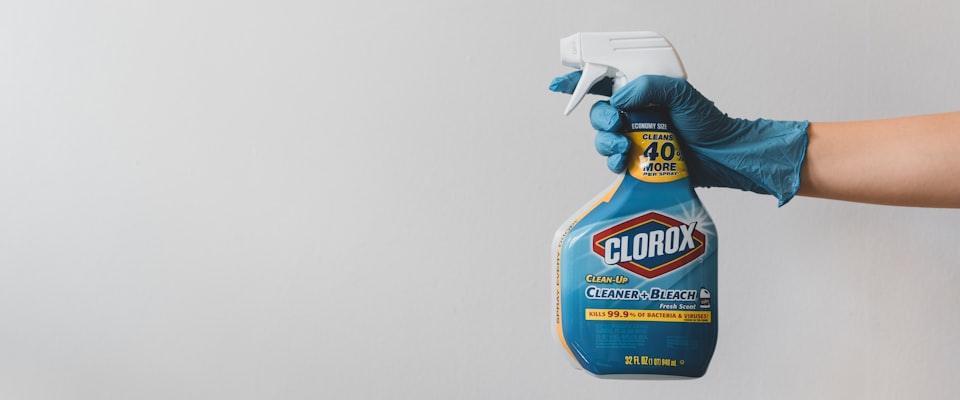
Hand soap is the personal care product used most frequently throughout the day. Every trip to the bathroom, every meal prep, every diaper change — the hands get washed. For most households, that adds up to dozens of washes per day across all family members, each one delivering a dose of whatever chemicals are in the soap directly to the skin.
The problem is that the majority of conventional hand soaps are formulated with ingredients designed for industrial cleaning, not for repeated skin contact. Triclosan, sodium lauryl sulfate (SLS), synthetic fragrances, and parabens are standard in most drugstore hand soaps — and research has raised serious questions about the cumulative health effects of daily exposure to these compounds through dermal absorption.
This guide covers what makes conventional hand soaps problematic, what to look for in a genuinely clean formula, and the six best non-toxic hand soaps available in 2026 — at every price point from $4 to $18.
Why Conventional Hand Soaps Are Problematic
Most mass-market hand soaps are built on a base of synthetic detergents and chemical additives that were never designed for the frequency of use that hand washing demands. The key concerns:
Triclosan. This antibacterial agent was used in hand soaps for decades before the FDA banned it from consumer antiseptic wash products in 2016. The ban came after research linked triclosan to thyroid hormone disruption, liver toxicity in animal studies, and the promotion of antibiotic-resistant bacteria. While most U.S. hand soaps have reformulated, triclosan still appears in some imported products and in other product categories.
Synthetic fragrances. The word "fragrance" or "parfum" on a label is an umbrella term that can represent dozens of undisclosed synthetic chemicals. Under U.S. law, fragrance formulations are considered trade secrets, so manufacturers are not required to list individual components. Research has identified phthalates, synthetic musks, and volatile organic compounds (VOCs) hidden within fragrance blends — several of which are classified as endocrine disruptors.
SLS and SLES. Sodium lauryl sulfate (SLS) and sodium laureth sulfate (SLES) are harsh surfactants that create the foaming lather in most liquid hand soaps. While effective at removing dirt and oil, they also strip the skin's natural lipid barrier, leading to dryness, irritation, and increased permeability — which paradoxically allows other chemical ingredients to penetrate more deeply. SLES can also be contaminated with 1,4-dioxane, a probable carcinogen, as a byproduct of the ethoxylation manufacturing process.
Parabens. Methylparaben, propylparaben, and butylparaben are preservatives with well-documented estrogen-mimicking activity. They are absorbed through the skin and have been detected in human tissue samples, including breast tissue. While individual exposure from a single hand wash is small, the cumulative effect across multiple daily washes and other paraben-containing products adds up.
Antibacterial claims. Many hand soaps still market themselves as "antibacterial" using alternative agents like benzalkonium chloride. The FDA has noted that the long-term safety of these compounds has not been established for daily consumer use, and the scientific consensus is that plain soap and water is equally effective at removing pathogens.
The FDA concluded in 2016 that antibacterial hand soaps are no more effective than regular soap and water at preventing illness. The antibacterial agents they contain — triclosan, triclocarban, benzalkonium chloride — add chemical exposure without adding cleansing benefit. Plain soap works by mechanically lifting pathogens from the skin. The 20-second scrub does the work, not antimicrobial additives.
What to Look for in a Clean Hand Soap
A genuinely non-toxic hand soap should have a transparent ingredient list built on plant-based or mineral-based cleansing agents. The best formulas include:
- Plant-based surfactants (coconut-derived, olive oil-based, or sugar-derived) — effective cleansing without stripping the skin's natural barrier
- Saponified plant oils (coconut oil, olive oil, hemp seed oil) — the traditional soap-making process that creates a gentle, effective cleanser
- Plant-derived glycerin — a natural humectant that draws moisture to the skin, preventing the dryness caused by harsh detergents
- Essential oils (in small amounts, if scented) — for natural fragrance without synthetic chemical blends
- Natural preservatives (tocopherol, rosemary extract) — effective shelf-life extension without parabens or formaldehyde releasers
Look for third-party certifications: EWG Verified (screened against known harmful chemicals), USDA Organic (95%+ certified organic ingredients), or Leaping Bunny (cruelty-free). These provide more assurance than marketing terms like "natural," "gentle," or "dermatologist tested," which carry no regulatory standards.
Quick Picks: Best Non-Toxic Hand Soaps at a Glance
Our Top Picks for 2026
| Pick | Product | Price | Key Feature |
|---|---|---|---|
| Best Overall | Dr. Bronner's Pure Castile Liquid Soap | ~$18/32oz | USDA Organic, Fair Trade, versatile |
| Best Fragrance-Free | Branch Basics Foaming Hand Soap | ~$12 | Plant-based concentrate, no fragrance |
| Best Value | ATTITUDE Extra Gentle Hand Soap | ~$10 | EWG Verified, plant/mineral based |
| Best Plastic-Free | Ethique Hydrating Gentle Hand Wash Bar | ~$9 | Compostable packaging, vegan |
| Best Budget | Everyone (EO) Hand Soap | ~$5 | EWG Verified, plant-based |
| Best Scented | Mrs. Meyer's Clean Day Hand Soap | ~$4 | Plant-derived, widely available |
The 6 Best Non-Toxic Hand Soaps for 2026
1. Dr. Bronner's Pure Castile Liquid Soap — Best Overall
Dr. Bronner's is the gold standard for non-toxic liquid soap, and for good reason. The formula is built entirely on saponified organic plant oils — no synthetic detergents, no SLS, no preservatives, no fragrance chemicals. The ingredient list is short, every item is recognizable, and the USDA Organic certification covers the entire product.
The concentrated formula is the key value proposition. A 32-ounce bottle diluted for hand soap use (roughly one part soap to three parts water in a foaming dispenser) lasts months. That brings the per-wash cost well below most conventional hand soaps. The Baby Unscented version is ideal for sensitive skin and households with young children. For those who prefer scent, options like peppermint and lavender use organic essential oils rather than synthetic fragrance blends.
2. Branch Basics Foaming Hand Soap — Best Fragrance-Free
Branch Basics was founded specifically for people with chemical sensitivities, and the hand soap reflects that mission. The formula contains zero fragrance of any kind — not even essential oils, which can still trigger reactions in sensitive individuals. This makes it the top choice for households dealing with eczema, allergies, or multiple chemical sensitivity.
The concentrate system is practical and cost-effective. One bottle of concentrate makes multiple bottles of hand soap when diluted according to the instructions. The refill model also means significantly less plastic waste over time compared to buying new pump bottles. The foam lathers well, rinses clean, and does not leave the tight, stripped feeling that SLS-based soaps produce.
3. ATTITUDE Extra Gentle Hand Soap — Best Value
ATTITUDE delivers one of the best combinations of clean ingredients, third-party certification, and accessible pricing in the non-toxic hand soap category. The EWG Verified mark means every ingredient has been screened against the Environmental Working Group's database of known harmful chemicals — a level of vetting that goes well beyond what any marketing claim can offer.
The formula is gentle enough for frequent washing without causing dryness or irritation, thanks to plant-derived surfactants that clean effectively without stripping the skin's lipid barrier. At roughly $10 for a full-size bottle (with bulk refill options that bring the cost lower), this is a realistic swap for households that currently buy conventional hand soap at drugstore prices.
4. Ethique Hydrating Gentle Hand Wash Bar — Best Plastic-Free
Ethique eliminates the packaging problem entirely. The hand wash bar comes in a compostable cardboard box with no plastic at any stage — no pump, no bottle, no shrink wrap. For households trying to reduce bathroom plastic waste, this is the most complete solution available.
The bar format also means no water is being shipped. Each compact bar is equivalent to roughly 350 pumps of liquid soap, making the per-wash cost competitive with liquid options while dramatically reducing the shipping footprint. The formula is built on coconut-derived surfactants with cocoa butter for moisture, and it lathers easily under running water. The bar lasts well when stored on a draining soap dish between uses.
5. Everyone (EO) Hand Soap — Best Budget
At roughly $5 per bottle, Everyone hand soap removes the cost barrier to switching to non-toxic hand wash. The EWG Verified certification confirms that the formula meets strict safety standards despite the accessible price point. The plant-based surfactants clean effectively, the essential oil scents are genuinely pleasant, and the formula does not leave hands feeling stripped or dry.
Everyone is widely available at natural grocery stores, major retailers, and online, making it one of the easiest swaps to make. The multiple scent options (all from pure essential oils rather than synthetic fragrances) give households variety without compromising ingredient safety. For families making their first move away from conventional hand soap, this is the most practical entry point.
6. Mrs. Meyer's Clean Day Hand Soap — Best Scented
Mrs. Meyer's occupies a practical middle ground: significantly cleaner than conventional hand soaps, widely available at mainstream retailers, and priced at the same level as many drugstore options. The plant-derived formula avoids parabens, phthalates, and artificial colors, while the essential oil-based scents offer the pleasant fragrance experience that many households value.
One transparency note: while Mrs. Meyer's uses essential oils as the primary scent source, some formulations do include naturally derived fragrance compounds that are not individually listed. For individuals with severe chemical sensitivities, the fully fragrance-free options (Branch Basics, Dr. Bronner's Baby Unscented) are safer choices. For the general population looking for a clean, affordable, pleasant-smelling hand soap available at their regular grocery store, Mrs. Meyer's is a strong option.
Bar Soap vs Liquid: Which Is Cleaner?
The bar soap versus liquid soap question is worth addressing, because the answer has implications for both health and environmental impact.
From a hygiene perspective, peer-reviewed research has consistently shown that bacteria present on the surface of a bar of soap do not transfer to hands during washing. The mechanical action of lathering and rinsing removes surface contaminants effectively regardless of format. The CDC does not recommend liquid soap over bar soap for hand hygiene.
From an ingredient perspective, bar soaps often have an advantage. Because they are solid and do not contain water, they require fewer preservatives than liquid formulas. Many liquid hand soaps need preservatives to prevent microbial growth in the water-based solution — and those preservatives (parabens, formaldehyde releasers like DMDM hydantoin) are often the most problematic ingredients on the label.
From a packaging perspective, bar soap is the clear winner. A paper-wrapped bar of soap generates a fraction of the waste of a plastic pump bottle. Even with refill systems, liquid soap requires more packaging infrastructure than a bar that arrives in a cardboard box.
"The cleanest hand soap is the one with the fewest ingredients you cannot pronounce. Whether it comes in a bar or a bottle matters far less than what is actually in the formula."
Ingredients to Avoid: The Complete List
When evaluating any hand soap not on this list, scan the ingredient label for these red flags:
- Triclosan / triclocarban — antibacterial agents linked to endocrine disruption and antibiotic resistance (banned in U.S. consumer wash products but still found in some imported products)
- "Fragrance" or "parfum" — umbrella term that can hide dozens of undisclosed synthetic chemicals, including phthalates
- Sodium lauryl sulfate (SLS) / sodium laureth sulfate (SLES) — harsh detergents that strip the skin barrier; SLES may contain 1,4-dioxane contaminant
- Methylparaben / propylparaben / butylparaben — endocrine-disrupting preservatives detected in human tissue samples
- DMDM hydantoin / quaternium-15 / imidazolidinyl urea — formaldehyde-releasing preservatives; formaldehyde is a known carcinogen
- Benzalkonium chloride — antibacterial agent with insufficient long-term safety data for daily consumer use
- Methylisothiazolinone (MI) / methylchloroisothiazolinone (MCI) — preservatives identified as potent contact allergens by the European Scientific Committee on Consumer Safety
- Cocamidopropyl betaine (from contaminated sources) — can contain impurities like 3-dimethylaminopropylamine (DMAPA), a known skin sensitizer
Want the Full Bathroom Swap Guide?
The Complete Plasticproof Guide covers every bathroom product — hand soap, shampoo, toothpaste, deodorant, sunscreen, and more — with the full research and complete swap list. 47+ peer-reviewed studies, 80+ product recommendations.
Frequently Asked Questions
Triclosan is an antibacterial agent that was banned by the FDA in 2016 from over-the-counter consumer antiseptic wash products, including hand soaps. Research has linked triclosan to endocrine disruption, particularly thyroid hormone interference, and to the promotion of antibiotic-resistant bacteria. Studies in animals have shown liver toxicity and tumor growth at sustained exposure levels. While triclosan has been removed from most hand soaps sold in the U.S., it still appears in some imported products and in other categories like toothpaste and cosmetics. Checking ingredient labels remains important, as not all markets have adopted the FDA ban.
No. The FDA concluded in 2016 that there is no scientific evidence that antibacterial soaps are more effective than plain soap and water at preventing illness or reducing infection. Regular soap works by mechanically lifting bacteria, viruses, and dirt from the skin surface so they can be rinsed away with water. The 20-second scrubbing action is what provides the cleansing benefit, not antimicrobial additives. Antibacterial soaps carry additional risks, including contributing to antibiotic resistance and exposing skin to unnecessary chemical agents like triclosan and benzalkonium chloride.
EWG Verified is a certification from the Environmental Working Group indicating that a product meets their strictest criteria for health and safety. For hand soap, this means the product avoids ingredients on EWG's unacceptable list (including triclosan, parabens, and synthetic fragrances), provides full transparency of all ingredients, and meets good manufacturing practices. EWG Verified products are screened against the latest scientific research on chemical safety. It is one of the most rigorous third-party certifications available for personal care products in the United States.
Yes. The skin is not an impermeable barrier. Dermal absorption is a well-documented exposure pathway, and the hands are washed more frequently than any other body part, creating repeated chemical contact throughout the day. Studies have detected triclosan, parabens, and synthetic fragrance compounds in blood and urine samples of regular hand soap users. The warm water used during hand washing can further open pores and increase absorption rates. While the amount absorbed per wash is small, the cumulative effect of 7 to 9 hand washes per day over years is significant.
Yes, bar soap is equally hygienic and in some ways preferable. Studies published in peer-reviewed journals have found that bacteria on the surface of bar soap do not transfer to hands during washing. The mechanical action of lathering and rinsing removes surface contaminants effectively regardless of soap format. Bar soap has additional advantages: it typically requires less packaging (often just a paper wrapper or cardboard box), contains fewer preservatives since it does not sit in a water-based solution, and has a lower carbon footprint due to reduced shipping weight. The main consideration is keeping bar soap on a well-drained dish between uses to extend its lifespan.
Sources
- U.S. Food and Drug Administration. "FDA issues final rule on safety and effectiveness of antibacterial soaps." FDA Safety Announcement, September 2, 2016.
- Weatherly LM, Gosse JA. "Triclosan exposure, transformation, and human health effects." Journal of Toxicology and Environmental Health, Part B, 2017; 20(8):447-469.
- Calafat AM, et al. "Urinary concentrations of triclosan in the U.S. population: 2003-2004." Environmental Health Perspectives, 2008; 116(3):303-307.
- Darbre PD, Harvey PW. "Paraben esters: review of recent studies of endocrine toxicity, absorption, esterase and human exposure." Journal of Applied Toxicology, 2008; 28(5):561-578.
- Steinemann A. "Fragranced consumer products: exposures and effects from emissions." Air Quality, Atmosphere & Health, 2016; 9(8):861-866.
- Bondi CAM, et al. "Human and environmental toxicity of sodium lauryl sulfate (SLS): Evidence for safe use in household cleaning products." Environmental Health Insights, 2015; 9:27-32.
- Heinze JE, Yackovich F. "Washing with contaminated bar soap is unlikely to transfer bacteria." Epidemiology and Infection, 1988; 101(1):135-142.
- Environmental Working Group. "EWG Verified: Criteria and Standards for Personal Care Products." EWG.org, 2025.
Protect Your Family From Hidden Chemicals
From bathroom to kitchen to nursery — the Complete Plasticproof Guide covers every swap that matters, backed by 47+ peer-reviewed studies.