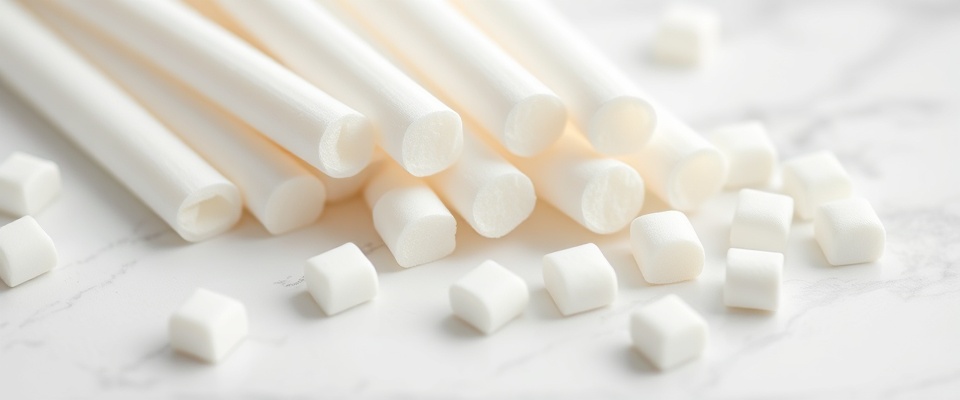
- Most commercial chewing gum contains synthetic polymers (polyvinyl acetate, polyethylene, polyisobutylene) — the "gum base" listed on the label is literally plastic.
- A single piece of gum can release millions of microplastic particles during chewing, directly into saliva and the digestive tract.
- Natural chicle-based gums are the plastic-free alternative — made from tree sap rather than petroleum polymers.
- If switching brands isn't practical, reducing chewing duration and frequency are the simplest exposure-reduction steps.
What Is Gum Base, Really?
If you've ever flipped over a pack of chewing gum and read the ingredients, you've probably seen the vague term "gum base" listed near the top. It sounds innocent enough — maybe something derived from trees or natural rubber. But that generic label hides a complex mixture of synthetic polymers, plasticizers, and fillers that the food industry has very little obligation to disclose in detail.
Until the mid-20th century, chewing gum was made from chicle, a natural latex harvested from the sapodilla tree (Manilkara zapota) native to Central America. Chicle is biodegradable, naturally chewy, and has been used by Mesoamerican civilizations for thousands of years. But as global demand for chewing gum surged after World War II, manufacturers turned to cheaper, more consistent synthetic alternatives.
Today, the vast majority of commercial gum base is composed of synthetic polymers, primarily polyvinyl acetate (PVAc), along with polyethylene, polyisobutylene, and various waxes and resins. A 2023 review published in Science of the Total Environment confirmed that polyvinyl acetate is the dominant polymer in modern chewing gum bases, typically comprising 20–30% of the total gum product by weight (Ajith et al., 2023). In other words, roughly one-fifth to one-third of every stick of conventional gum is plastic.
The Synthetic Polymers in Your Gum
The U.S. FDA classifies gum base as a food additive and permits manufacturers to use a range of synthetic substances without specifying which ones appear on the label. According to 21 CFR 172.615, the approved ingredients for gum base include:
- Polyvinyl acetate (PVAc) — a thermoplastic polymer also used in white glue (think Elmer's), paint emulsions, and industrial coatings
- Polyethylene — the world's most common plastic, found in shopping bags and food packaging
- Polyisobutylene — a synthetic rubber used in tire inner tubes and adhesives
- Butadiene-styrene copolymers — synthetic rubber compounds
- Petroleum wax and paraffin — petroleum-derived hydrocarbons
These are not trace contaminants. They are the primary structural components that give gum its chew. A 2020 study by researchers at the University of Plymouth, published in Marine Pollution Bulletin, analyzed discarded chewing gum samples using Fourier-transform infrared spectroscopy (FTIR) and confirmed the presence of polyvinyl acetate and polyethylene as the dominant polymer types (Karkkainen & Sillanpaa, 2020).
Worth noting: Because "gum base" is classified as a single ingredient by the FDA, manufacturers are not required to list the individual polymers, plasticizers, or fillers it contains. You have no way of knowing exactly which plastics are in your gum from the label alone.
Does Chewing Gum Release Microplastics?
The mechanical action of chewing — combined with saliva, temperature, and the enzymes in your mouth — raises an obvious question: are these synthetic polymers breaking down and releasing microplastic particles that you then swallow?
The research suggests yes. A 2022 study published in Journal of Hazardous Materials by Luo et al. investigated microplastic release from chewing gum under simulated oral conditions. The researchers found that a single piece of gum released measurable quantities of microplastic particles during a standard 30-minute chewing session. The released particles ranged from 5 to 200 micrometers in size, well within the range classified as microplastics.
Furthermore, a 2021 study in Environmental Science & Technology Letters by Hernandez et al. documented that mechanical degradation of polyvinyl acetate under conditions mimicking human chewing produced micro- and nano-scale polymer fragments. The authors noted that temperature fluctuations (such as drinking hot coffee while chewing gum) accelerated polymer fragmentation.
Key finding: Chewing gum for 30 minutes can release microplastic particles ranging from 5 to 200 micrometers in size directly into your mouth, according to simulated chewing studies (Luo et al., 2022).
Once swallowed, these microplastic particles enter your digestive system. Research on microplastics and gut health has shown that synthetic polymer particles can interact with gut bacteria, potentially disrupting the intestinal microbiome and triggering inflammatory responses. While the specific health effects of gum-derived microplastics remain an active area of study, the exposure pathway is clear and consistent — habitual gum chewers may be ingesting significant quantities of synthetic polymer fragments every day.
Additives and Plasticizers: Beyond the Base
The plastic polymers in gum base are only part of the picture. To make these synthetic materials soft and pliable enough to chew, manufacturers add plasticizers — chemical compounds designed to increase flexibility. Common plasticizers in gum base include glycerol ester of wood rosin, acetylated monoglycerides, and various petroleum-derived softeners.
Many conventional gums also contain butylated hydroxytoluene (BHT), a synthetic antioxidant used as a preservative. While BHT is FDA-approved for use in food at low concentrations, the European Food Safety Authority (EFSA) has repeatedly reviewed its safety profile and recommended reduced acceptable daily intake levels. Some consumers also express concern about titanium dioxide (E171), a whitening agent used in some gum products that was banned as a food additive in the European Union in 2022 due to genotoxicity concerns.
If you're already working to reduce your microplastic exposure, eliminating conventional chewing gum is one of the most direct steps you can take. Unlike many microplastic sources that are difficult to avoid (such as contaminated water or airborne particles), gum is an entirely voluntary and easily replaceable product.
The Environmental Footprint of Synthetic Gum
Microplastics in chewing gum aren't just a personal health concern — they're an environmental issue. Because conventional gum base is made of non-biodegradable synthetic polymers, discarded gum persists in the environment essentially forever. It's the second most common form of litter worldwide after cigarette butts.
A 2019 study published in the Journal of Polymers and the Environment by Jiang et al. found that polyvinyl acetate-based gum does not meaningfully biodegrade under standard environmental conditions, even after prolonged exposure to UV light, moisture, and microbial activity. The gum simply fragments into smaller and smaller microplastic particles that wash into waterways, accumulate in soil, and enter the food chain.
Cities spend enormous sums removing discarded gum from sidewalks and public spaces. London alone reportedly spends over £50 million annually on gum removal. But the real cost is ecological: every piece of spit-out conventional gum becomes a persistent source of microplastic pollution.
How to Identify Plastic-Free Gum
Not all gum contains synthetic plastics. A growing number of brands have returned to natural gum bases made from chicle or other plant-derived latexes. Here's what to look for when shopping for plastic-free chewing gum:
- Chicle-based gum: Look for "chicle" or "natural gum base" in the ingredients. Chicle is the original, biodegradable gum base harvested sustainably from sapodilla trees.
- Transparent ingredient lists: Brands that use natural gum base typically list their ingredients in full rather than hiding behind the generic "gum base" label.
- No polyvinyl acetate: If a brand explicitly states "plastic-free" or "no PVAc," that's a strong indicator.
- Organic and non-GMO certifications: These often correlate with cleaner formulations, though they don't guarantee the gum base itself is natural.
It's worth noting that some products marketed as "natural" may still use semi-synthetic gum bases. Always check for explicit claims about the gum base material itself, not just the sweeteners or flavors. Understanding why "free-from" labels can be misleading helps you evaluate these claims more critically.
Best Natural Chewing Gum Alternatives
Here are seven genuinely plastic-free gum options made with chicle, natural resin, or cleaner gum bases. Each avoids the synthetic polymers found in conventional gum.
Made with chicle harvested from rainforest sapodilla trees, Simply Gum uses just six ingredients: chicle, organic raw cane sugar, organic vegetable glycerin, organic sunflower lecithin, organic dried cane syrup, and natural flavors. Fully biodegradable. Available in mint, ginger, cinnamon, coffee, and other flavors.
Buy on Amazon →Chicza is made by a cooperative of chicleros in the Maya rainforest of Mexico using traditional chicle harvesting methods. The gum base is 100% organic chicle, and the product is certified organic, non-GMO, vegan, and fully biodegradable. It decomposes naturally in just a few weeks, unlike synthetic gum that persists for decades.
Buy on Amazon →A Danish brand that uses a natural, plant-based gum base instead of synthetic polymers. True Gum is sugar-free (sweetened with xylitol and stevia), vegan, and biodegradable. Good option for those who prefer sugar-free gum without the synthetic base. Available in mint, berry, licorice, and other varieties.
Buy on Amazon →Glee Gum uses sustainably harvested chicle from Central American rainforests as its gum base — no polyvinyl acetate, no synthetic polymers. It's non-GMO verified, gluten-free, and available in both regular and xylitol-sweetened varieties. A widely available plastic-free option that's easy to find and affordable for everyday chewing.
Buy on Amazon →Mastic gum is harvested from the mastic tree (Pistacia lentiscus) on the Greek island of Chios and has been chewed medicinally for over 2,500 years. Unlike chicle-based gums, mastic is a pure crystallized tree resin with no added ingredients at all — just resin. Research in the Journal of Ethnopharmacology has documented its antimicrobial and digestive benefits. It's completely plastic-free, biodegradable, and a genuine ancestral alternative to synthetic gum.
Buy on Amazon →For those who want a sugar-free, dentist-recommended option, PUR Gum is sweetened entirely with xylitol — a birch-derived sugar alcohol shown to inhibit cavity-causing bacteria. It's free from aspartame, phenylalanine, gluten, and soy, and uses a cleaner gum base than most conventional brands. While not chicle-based, it avoids the most harmful synthetic additives and is a solid step up from mainstream gum for xylitol-seekers.
Buy on Amazon →Practical Steps to Reduce Your Exposure
If you chew gum regularly, here are concrete steps to minimize your microplastic intake from this source:
- Switch to chicle-based gum. The products listed above use natural latex that biodegrades and does not release synthetic microplastic particles.
- Reduce chewing duration. If you do chew conventional gum, shorter chewing sessions reduce the total microplastic release. The Luo et al. (2022) study found that particle release increased with chewing time.
- Avoid chewing gum with hot beverages. Temperature accelerates polymer degradation, increasing microplastic release (Hernandez et al., 2021).
- Don't swallow your gum. While this won't prevent all microplastic exposure (particles are released into saliva throughout chewing), it reduces the total polymer mass entering your digestive tract.
- Consider alternatives entirely. Mints, fennel seeds, or fresh herbs like peppermint can serve the same breath-freshening purpose without any plastic exposure.
A simple swap: Replacing conventional gum with a chicle-based alternative eliminates a direct and repeated source of microplastic ingestion. It's one of the easiest plastic-reduction changes you can make.
The Bigger Picture: Hidden Plastic Sources
Chewing gum is just one of many everyday products that contain hidden plastics most people never think about. From tea bags and clothing fibers to food packaging and cosmetics, synthetic polymers have infiltrated nearly every consumer product category.
The fact that you can chew a piece of plastic for 30 minutes and swallow the fragments without ever realizing it speaks to how normalized these materials have become. The gum industry has no regulatory obligation to tell you that their "gum base" is primarily polyvinyl acetate and polyethylene — and most consumers never question it.
Awareness is the first step. Once you understand where microplastics hide, you can make informed choices to reduce your daily exposure. For a comprehensive guide to identifying and eliminating hidden plastic sources across your entire lifestyle, the Plasticproof Complete Guide covers everything from kitchen and bathroom products to clothing and personal care.
Research References
- Ajith, N., et al. (2023). "Microplastics in chewing gum: A review of synthetic gum base polymers and their environmental implications." Science of the Total Environment, 858, 159788.
- Luo, Y., et al. (2022). "Release of microplastics from chewing gum under simulated oral conditions." Journal of Hazardous Materials, 428, 128253.
- Hernandez, L.M., et al. (2021). "Mechanical degradation of polyvinyl acetate under simulated chewing conditions." Environmental Science & Technology Letters, 8(5), 438–443.
- Karkkainen, N. & Sillanpaa, M. (2020). "Quantification of different microplastic fibres discharged from textiles and chewing gum." Marine Pollution Bulletin, 159, 111526.
- Jiang, L., et al. (2019). "Biodegradation assessment of polyvinyl acetate-based chewing gum in various environmental conditions." Journal of Polymers and the Environment, 27(9), 1985–1994.